IPM Sistemas
A self-initiated project to structure the visual ecosystem and design documentation of one of Brazil’s largest govtechs, from brand mapping to a living governance system for the team.
Category
Brand Architecture
Design Ops
Client
IPM Sistemas
Date
IPM Sistemas is one of Brazil’s largest govtechs, with digital solutions serving city governments and public agencies across the country. With more than 700 employees and an extensive product portfolio (parent brand, sub-brands, product brands, modules and software), the company had accumulated visual identities built separately over the years, each with its own logic. In October 2025, with the design team set to grow, it became clear that continuing without a central structure would be unsustainable.
Challenge: There were product manuals and brand presentations, but no hierarchy connecting them. It wasn’t defined when each brand should be used, which logo variations were valid, what was inconsistent, or what had simply never been mapped. Without a central reference, each designer interpreted the ecosystem in their own way, and the risk of fragmentation would grow along with the team.
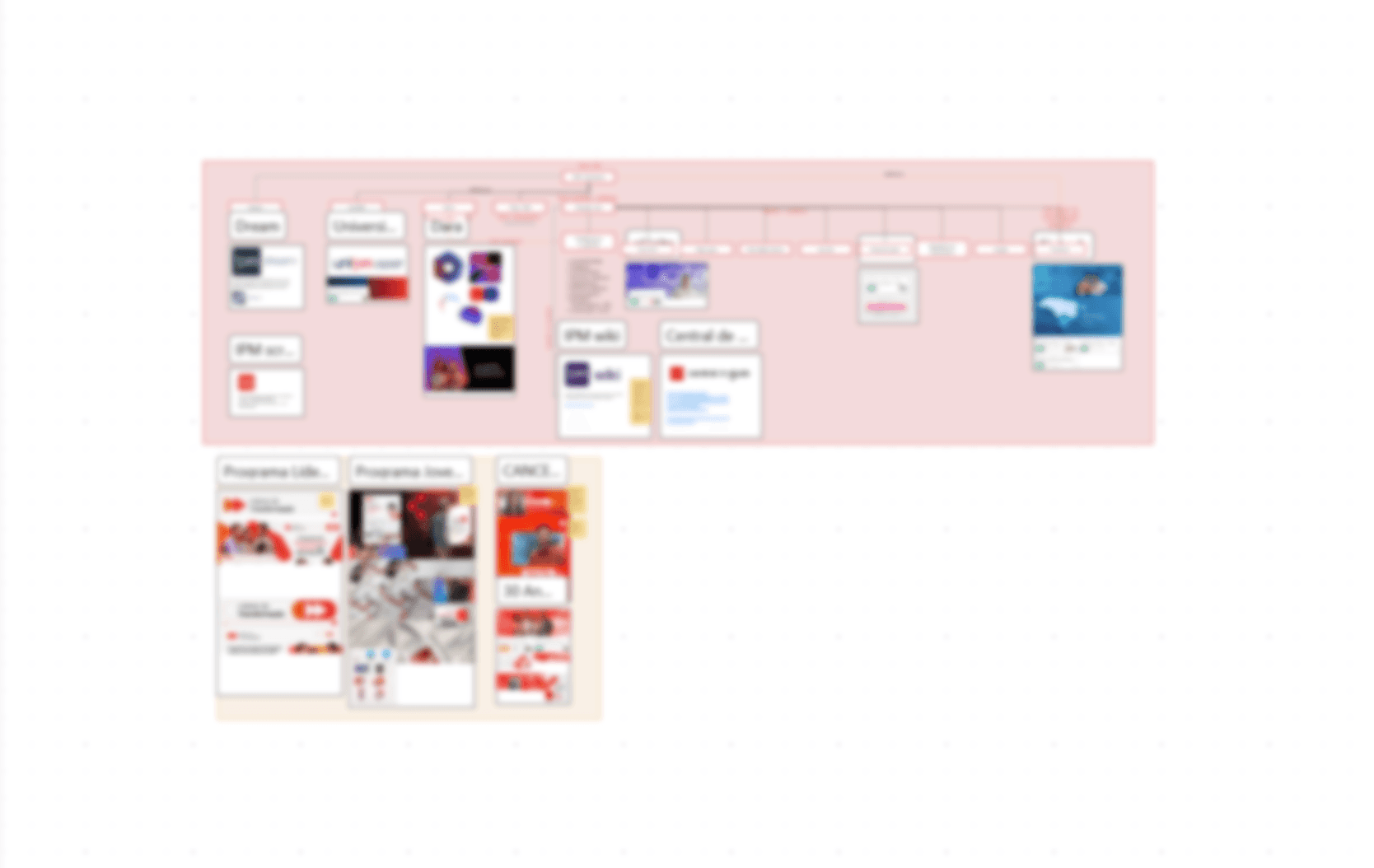
On my own initiative, I developed IPM’s Brand Architecture and Design Documentation. The work involved mapping and ranking the entire ecosystem, from the parent brand to sub-brands, product brands, software and modules, and building from scratch a documentation base that any designer on the team could consult and use independently. The documentation was structured in living sections: visual identity guides, briefing templates, leadership guidelines, formats, guidelines for using AI in design, and an ongoing system of process logs, with 2025 and 2026 records already underway.
Deliverables:
Brand ecosystem mapping and hierarchy · Brand architecture with 4 hierarchy levels · Logo and variation documentation · Do’s and don’ts · Visual identity guides · Briefing templates · Leadership guidelines · AI-in-design usage guide · Process LOG system
The project is in active development and already guides the work of the growing design team. New hires start with a clear reference, and the system grows without losing coherence. A visual governance structure that didn’t exist, and came to exist through design’s own initiative.